Trump Picked Kevin Warsh to Cut Rates. Warsh Just Told Markets He Might Hike Them Instead.
Key Takeaways
- Markets now price a roughly 60-66% chance the Fed raises rates a quarter point on September 16, up from near-zero odds before Chair Kevin Warsh's Jackson Hole speech on August 28.
- Warsh said summer inflation readings, while better than expected, "do not tell me that underlying trends have meaningfully improved" — language markets read as clearly hawkish.
- The July FOMC vote to hold rates passed only 9-3, meaning a hike needs just four more committee members to flip, not a unanimous shift.
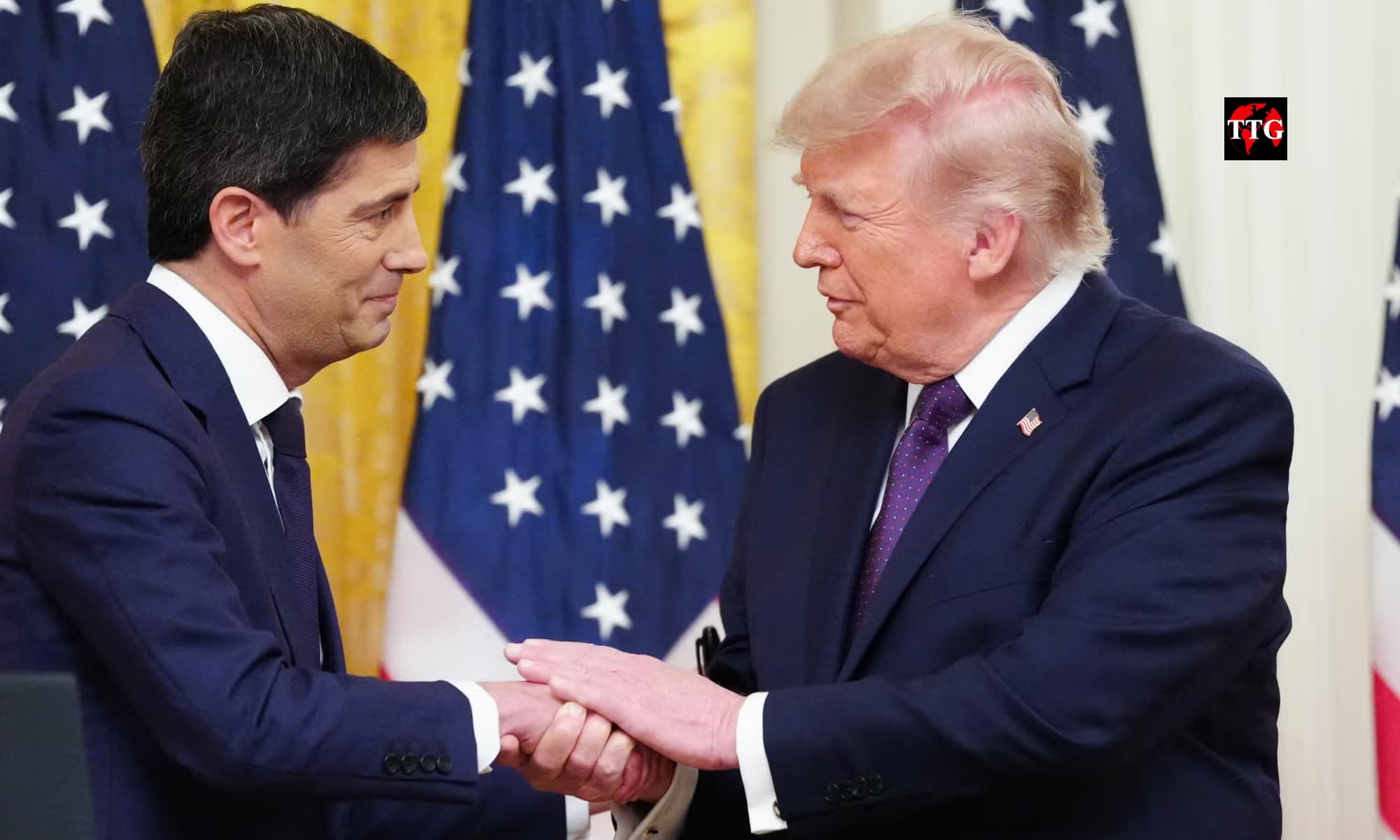
- President Trump nominated Warsh expecting a dovish, rate-cutting chair. Six months into the job, Warsh has instead positioned himself as the one keeping the brakes on.
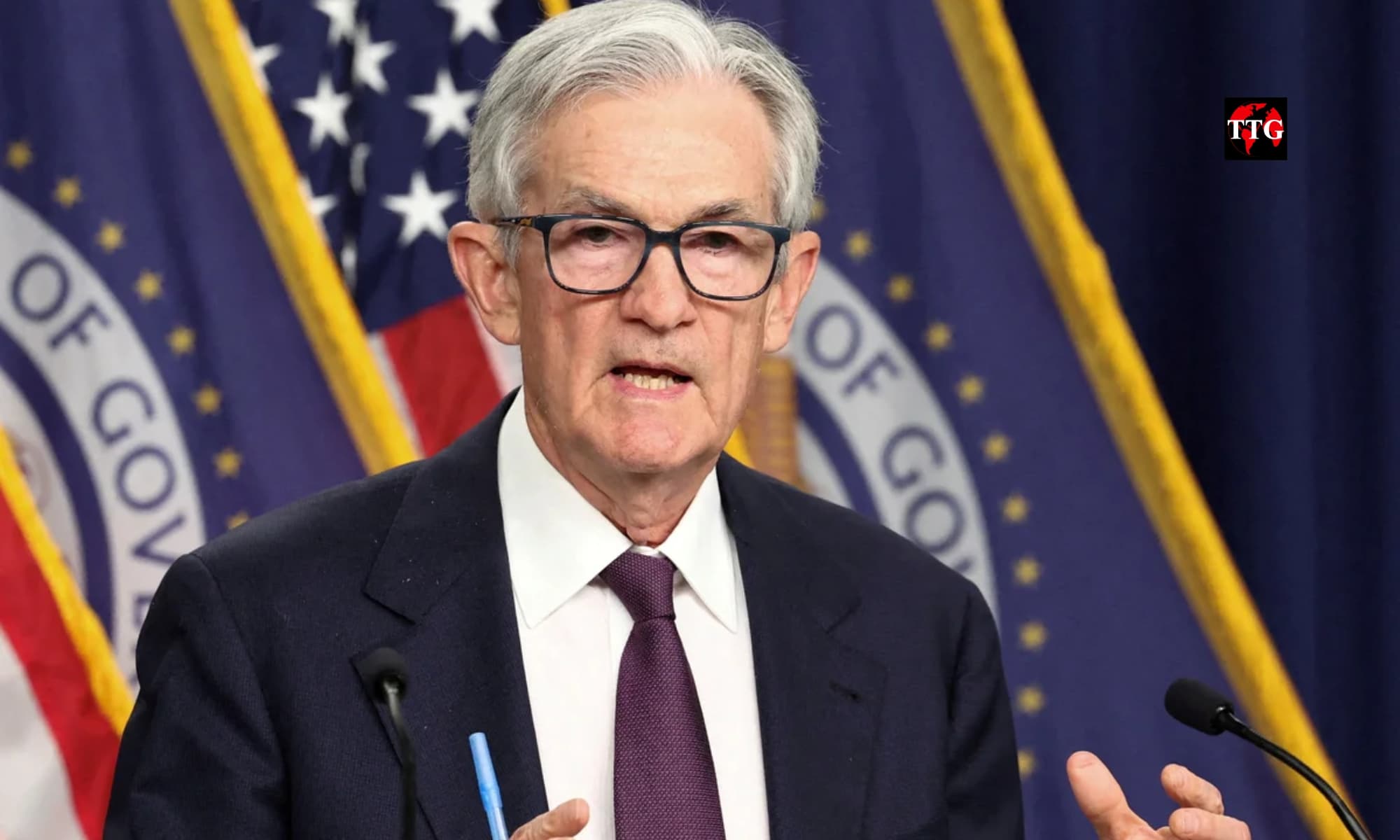
There's a specific kind of political irony that writes itself, and this is one of them. Kevin Warsh took over as Federal Reserve Chair in May, nominated by a president who made no secret of wanting lower rates and a friendlier central bank. Four months later, Warsh stood up at Jackson Hole and did something closer to the opposite — he told the room, plainly, that the Fed still had "work to do" on inflation, and markets heard exactly what he meant.
Before that speech, the odds of a September rate hike were sitting near zero. Traders had mostly priced in a hold, maybe even started quietly betting on cuts further out. Within a day of Warsh's remarks, that flipped. Fed funds futures now show something like a 60-66% chance of a quarter-point hike at the September 16 meeting, depending on which tracker you're watching. Gold dropped. Asian stocks slid. The two-year Treasury yield, which tends to move fastest on rate expectations, hit its highest level since late July.
What actually changed wasn't the inflation data — Warsh said as much himself. "While this summer's readings were better than expected," he told the audience, "they do not tell me that underlying trends have meaningfully improved." That's a chair choosing his words carefully, and markets are very good at reading between the lines of carefully chosen words. He also pushed back on the idea that the Fed should be signaling its next move in advance at all: "We should not indulge a regime in which market participants are looking primarily to the Fed for their next trade." Translation, more or less: don't get too comfortable assuming you know what happens next.
The committee math backs up why this is genuinely uncertain rather than a done deal dressed up as suspense. When the FOMC held rates in July, the vote wasn't unanimous — it passed 9-3, with three members (Beth Hammack, Neel Kashkari, and Lorie Logan) already pushing for a hike. That means a September move doesn't require the whole committee to come around. It just needs four more votes to swing, and the July meeting minutes suggest several other officials were already leaning that way if inflation didn't cooperate.
The part that makes this more than a routine rate story is the political backdrop sitting underneath it. Trump nominated Warsh with the expectation — reasonable at the time, given his public leanings — that he'd be receptive to cuts. Instead, Warsh has spent his first few months in the job doing something Fed chairs are specifically designed to be able to do regardless of who appointed them: making the call the data suggests, not the call the White House wants. Whether that tension becomes a real story of its own between now and September 16 is very much worth watching — but for now, the market's read is straightforward. The chair picked to be dovish just sounded the most hawkish note of his tenure, and everyone's repricing accordingly.