The Fed Chair Who Was Supposed to Be the President's Guy Just Wasn't
Key Takeaways
- Kevin Warsh's hawkish Jackson Hole speech surprised markets specifically because he was expected, on appointment, to lean dovish and rate-cut-friendly.
- The Fed's independence from political pressure is a feature, not a bug — and Warsh's willingness to disappoint the White House that nominated him is, if anything, evidence the system is functioning as intended.
- The real story for businesses isn't whether Warsh "betrayed" expectations. It's that rate uncertainty just got meaningfully worse heading into Q4 planning season.
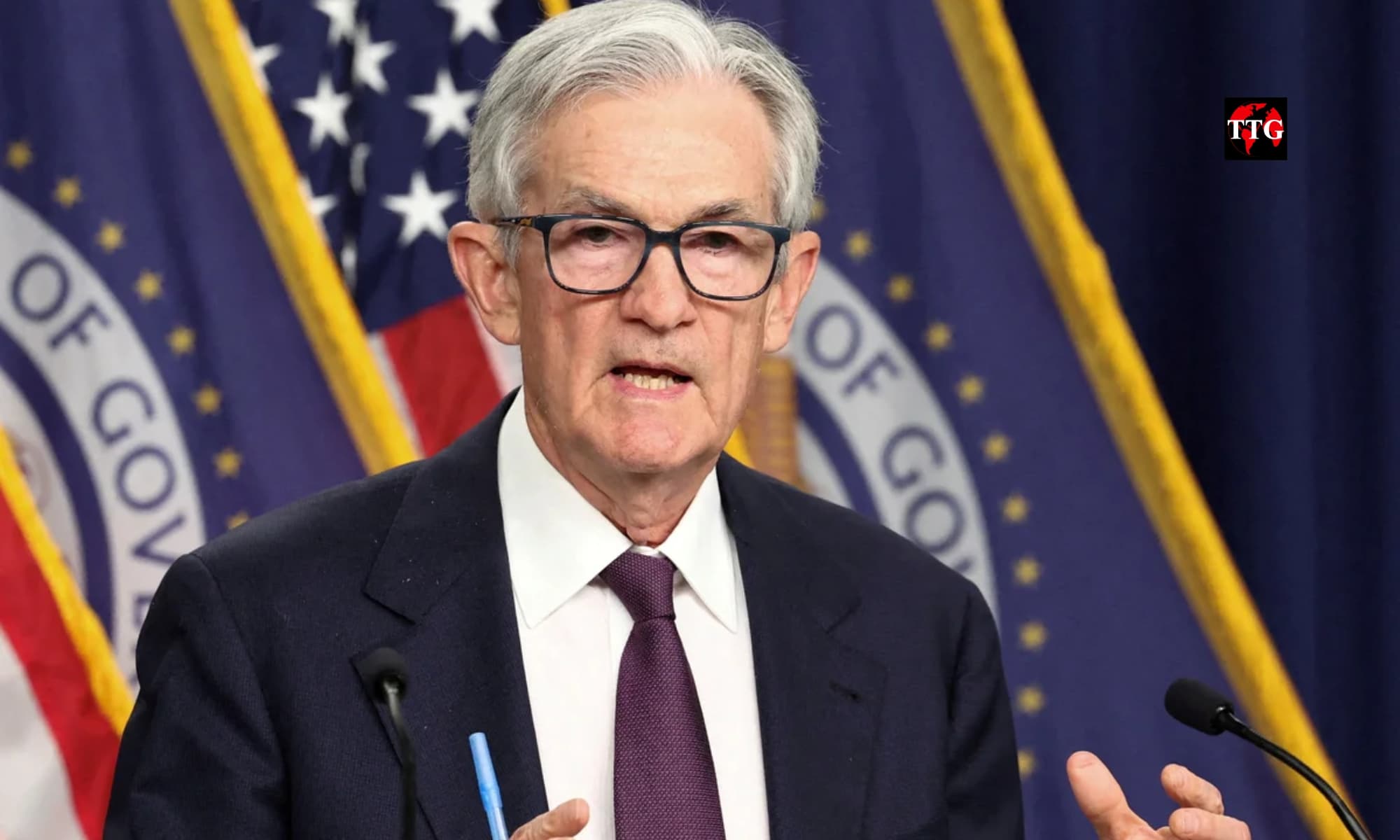
Here's a sentence I didn't expect to write this year: the Fed chair nominated specifically because he seemed like he'd cut rates just spent his most-watched speech of the year arguing for the opposite. Kevin Warsh took the podium at Jackson Hole in late August and, instead of the dovish reassurance a lot of people assumed was coming, delivered something considerably closer to a warning shot. Inflation "hasn't meaningfully improved," he said. The Fed has "work to do." Markets, which are not known for subtlety, immediately repriced the odds of a September hike from near-nothing to something close to a coin flip.
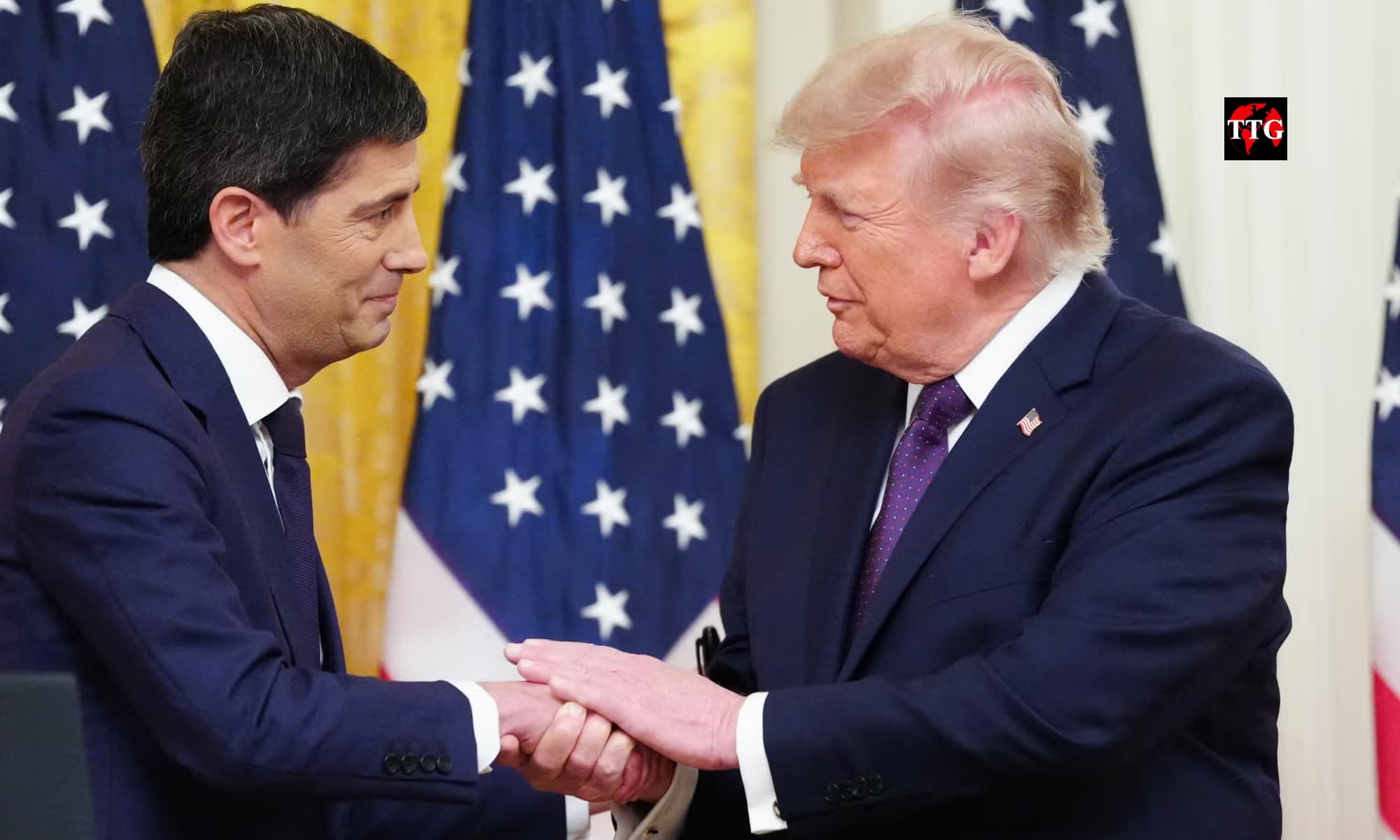
It's worth sitting with why this is surprising at all. Trump nominated Warsh with a fairly specific expectation attached — that he'd be more amenable to lower borrowing costs than his predecessor. That's not an unreasonable read of Warsh's public record going into the job. And yet here we are, four months in, watching him do the one thing that actually matters most about the position: making the call the data supports, not the call that would be politically convenient for the person who put him there.
I'd argue that's worth applauding more than it's worth treating as a plot twist. The entire design of an independent central bank rests on exactly this scenario being possible — a chair who can look at incoming inflation numbers and say "not yet" even when the administration that appointed him clearly wants "yes, now." If Warsh had simply delivered the dovish speech everyone assumed he would, purely because that's what he was expected to do, that would be the actual red flag. Institutions that bend to whoever appointed them stop being institutions and start being extensions of whoever's currently in charge. Warsh choosing the harder, less politically convenient read of the data is, in a strange way, the Fed working exactly as it's supposed to.
None of that makes the practical situation any easier for anyone trying to plan around it. A committee that voted 9-3 in July, with three members already pushing for a hike and several others reportedly open to one if inflation didn't cooperate, means September 16 is a genuine toss-up rather than a formality. Businesses building Q4 budgets, anyone with a variable-rate loan, treasurers hedging currency exposure — all of them just watched their planning assumptions get meaningfully murkier in the space of one speech. That's the real cost here, and it has nothing to do with whether Warsh is being "loyal" to the president who nominated him. It's that genuine data-dependent uncertainty, communicated honestly instead of pre-committed to a script, is inherently harder to plan around than a chair everyone assumed would just do what was expected.
Maybe that's the trade-off worth remembering here: an independent Fed is a better Fed, even when — especially when — it's inconvenient for the people who built it.