Google Just Called It "BYOP." Here's Why Tech Companies Are Suddenly Buying Nuclear Plants.
Key Takeaways
- Google will invest at least €13 billion ($15.1 billion) in Finnish AI infrastructure over the next two years, including three new data centers, alongside a 22-year agreement to buy up to 50% of the output from Fortum's Loviisa nuclear plant.
- Google's President and Chief Investment Officer Ruth Porat called the approach "BYOP" — bring your own power — and confirmed it's Google's first nuclear energy deal outside the United States.
- The deal follows a similar pattern set by Meta, which signed a 20-year agreement with Constellation Energy in 2026 to buy the entire output of Illinois's Clinton nuclear plant, helping save it from premature closure.
- Alphabet has raised its total 2026 capital spending guidance to between $195 billion and $205 billion, driven largely by the scramble to secure both compute and the electricity to run it.
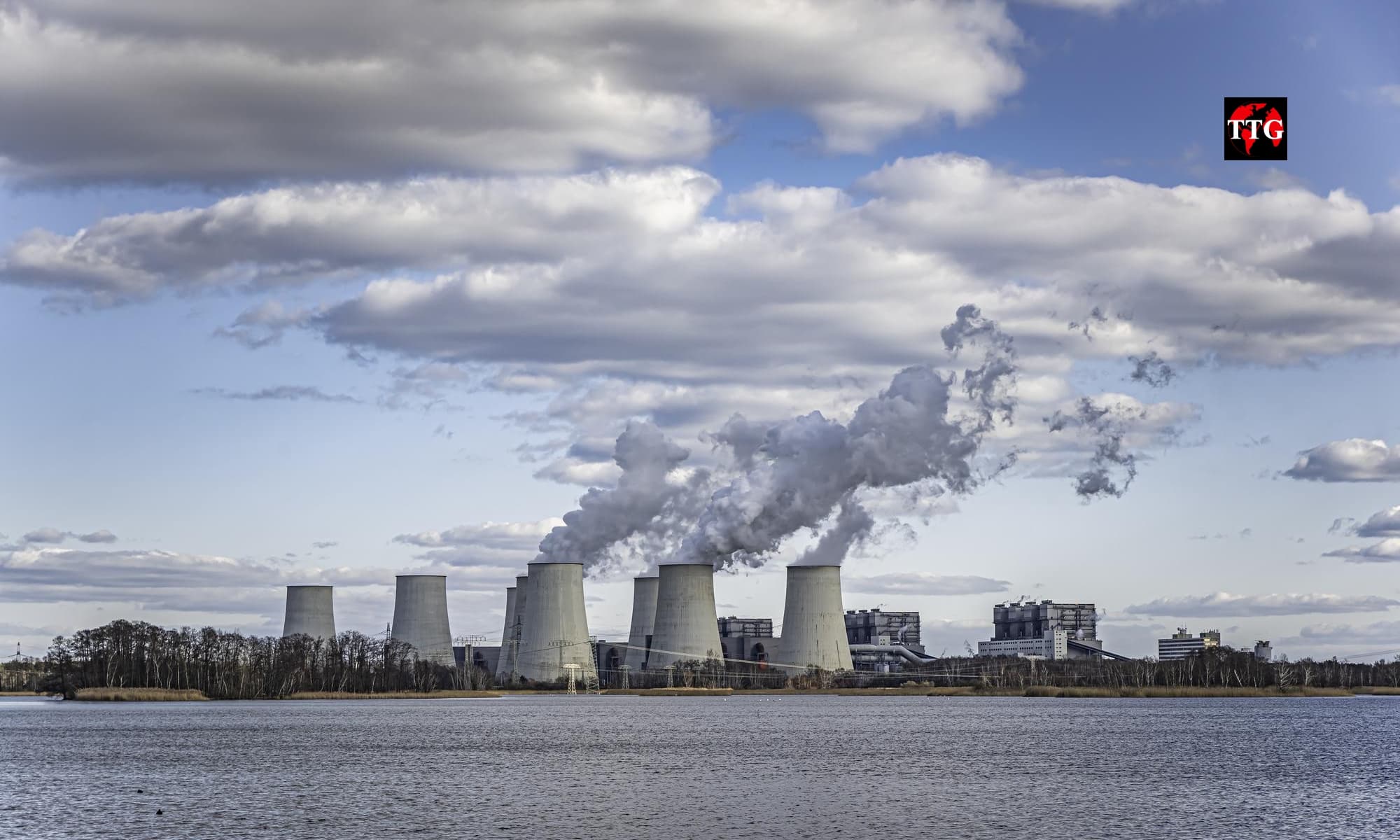
Somewhere in the last eighteen months, "we need more chips" quietly turned into "we need more power plants," and this week gave the clearest illustration yet of how far that shift has gone. Google announced it's putting at least €13 billion into Finnish AI infrastructure over the next two years — three new data centers, built in a part of the country where winter temperatures drop well below -10°C, which turns out to be a genuine competitive advantage when you're trying to cool enormous banks of servers cheaply. But the more interesting part of the announcement wasn't the data centers. It was the fine print: a 22-year deal to buy up to half the electricity output of Fortum's Loviisa nuclear plant.
Google's President and Chief Investment Officer, Ruth Porat, gave the strategy a name while announcing it in Helsinki: "BYOP — bring your own power." It's a good line, and it's also an honest description of where the industry has landed. For years, tech companies signed standard power-purchase agreements and let utilities figure out generation. That model is buckling under the sheer scale of AI's electricity appetite, and the fix increasingly isn't "buy more power from the grid." It's "become, functionally, a long-term financial backer of specific power plants that might otherwise have gone offline."
That's not hyperbole in Google's case — it's close to literal. Fortum's roughly €1 billion life-extension plan for Loviisa was, before this deal, only about 20% funded. Google's purchase agreement is what underwrites the rest, alongside a new capacity uprate planned for 2028. Without a buyer like Google willing to commit to two decades of demand, the math for keeping an aging nuclear plant running gets considerably harder to justify. Fortum's own CEO framed it as a straightforward trade: Google gets multi-decade certainty on low-carbon power in a notoriously volatile Nordic energy market, Fortum gets a contracted customer whose commitment supports its long-term return targets rather than betting on spot pricing.
Google isn't inventing this playbook, either — it's following one Meta wrote first. Earlier this year, Meta signed a 20-year agreement with Constellation Energy to buy essentially the entire output of the Clinton Clean Energy Center in Illinois, a single-reactor plant that had been at real risk of premature closure once its zero-emission credit expired. Constellation's stock jumped more than 15% on the news. The pattern in both cases is identical: a tech company's demand for guaranteed, round-the-clock, low-carbon power becomes the thing that keeps an existing nuclear asset economically viable, in exchange for decades of price certainty the tech company badly wants for its own planning.
Zoom out, and the scale of what's driving this becomes clear. Alphabet has raised its 2026 capital spending guidance to somewhere between $195 billion and $205 billion, a number that's less about buying more GPUs and increasingly about securing the electricity to run the GPUs it already has, plus whatever comes next. Amazon, Google, and Meta all signed a pledge earlier this year, alongside the World Nuclear Association, calling for global nuclear capacity to triple by 2050. That's not a symbolic gesture from three of the companies now writing the checks that make individual reactors' economics work. It's closer to a roadmap they're actively funding, one power-purchase agreement at a time.
The honest question this raises for the rest of the corporate world is less about nuclear power specifically and more about what it means when a handful of companies have grown large enough that their individual purchasing decisions can single-handedly determine whether a piece of national energy infrastructure stays open. That's a genuinely new kind of leverage — and "BYOP" might end up being remembered as the moment the industry stopped pretending otherwise.