Smart Manufacturing: The Rise of Fully Autonomous Prototyping Ecosystems
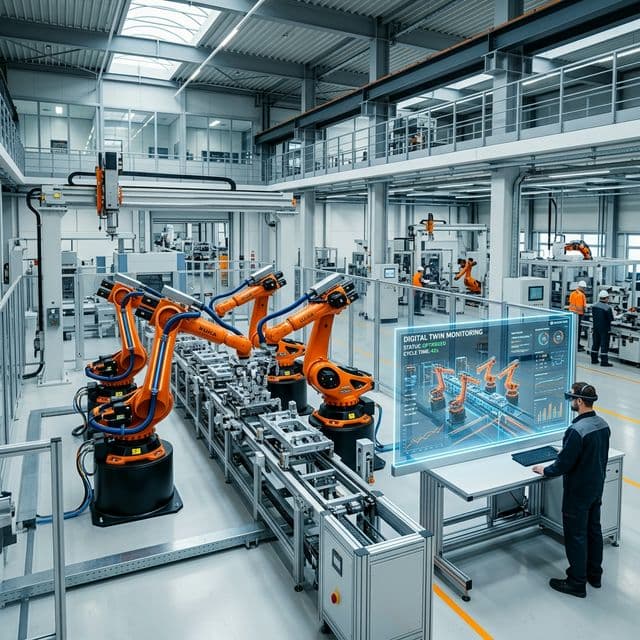
Industrial leaders are witnessing a revolution in production that goes far beyond simple robotics. By mid-2026, the concept of a 'Lights-Out Factory' has become a reality for front-runners in the automotive and aerospace sectors. Digital twins have evolved into living ecosystems where AI predicts failures before they happen and autonomous robotic arms adapt to custom orders in real-time without human intervention.
The Evolution of Digital Twins Early iterations of digital twins were merely static models of physical assets. Today, these twins are dynamic, data-rich simulations that run millions of vertical scenarios per second. They allow factory managers to stress-test production changes in a virtual environment with 99.9% accuracy before a single physical machine is moved. This capability has effectively eliminated the 'downtime' traditionally associated with production line retooling.
Hyper-Efficiency and Sustainability This shift towards hyper-efficiency isn't just about speed; it's about the sustainable use of resources. AI-driven logistics within the factory floor are reducing energy waste by 40% and raw material scrap by 25%. Circular manufacturing - where waste from one process becomes the input for another - is being managed by intelligent systems that track every molecule of material within the facility.
The ability to pivot production lines in seconds to meet shifting global demands is the new gold standard. Whether it's a sudden surge in demand for specialized medical equipment or a custom aerospace component, autonomous prototyping ecosystems are making 'Mass Customization' a cost-effective reality for the first time in industrial history.