Examining the Factors Affecting India’s Current Gas Prices This Year
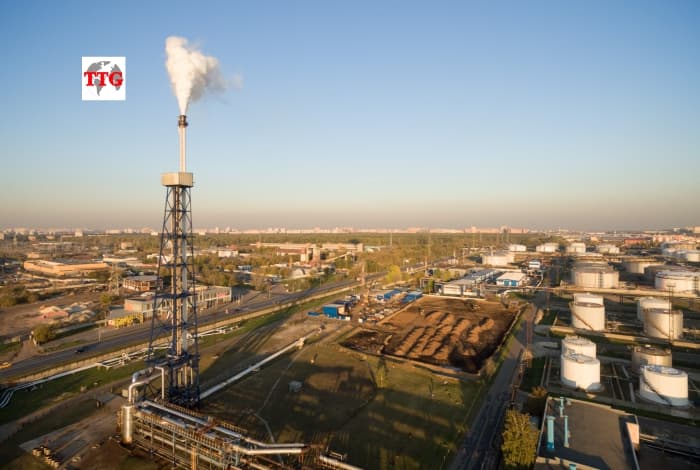
India’s gas prices have become a major topic of discussion this year as households, industries, and businesses continue to feel the impact of rising energy costs. From cooking gas cylinders used in homes to natural gas required for industries and transportation, price fluctuations are influencing daily life and the overall economy. Several global and domestic factors are contributing to the changing gas prices in India, making the situation more complex than ever before.
Rising Global Crude Oil Prices
One of the biggest reasons behind the increase in gas prices in India is the rise in international crude oil prices. India imports a significant portion of its crude oil and natural gas requirements from other countries. Whenever global oil-producing nations reduce supply or geopolitical tensions increase, crude oil prices surge in the international market. Since India depends heavily on imports, these rising costs directly affect domestic gas prices.
Conflicts in oil-producing regions, production cuts by major exporting countries, and fluctuations in global demand have all contributed to unstable fuel pricing this year. As import expenses rise, oil marketing companies pass part of the burden onto consumers.
Exchange Rate Fluctuations
The value of the Indian Rupee against the US Dollar also plays a crucial role in determining gas prices. Most international oil and gas transactions are conducted in US Dollars. When the Rupee weakens against the Dollar, India has to spend more money importing the same quantity of fuel.
This year, currency fluctuations have increased the import bill, putting additional pressure on fuel pricing. Even a small depreciation in the Rupee can significantly impact the cost of gas imports, especially when combined with high global oil prices.
Government Taxes and Policies
Taxes imposed by the central and state governments are another major factor affecting gas prices in India. Excise duties, Value Added Tax (VAT), and other levies contribute heavily to the final retail price paid by consumers.
Although governments occasionally reduce taxes to provide relief to the public, fuel taxation remains an important source of revenue. Policy decisions regarding subsidies for LPG cylinders and pricing regulations for natural gas also influence how much consumers ultimately pay.
Changes in energy policies aimed at reducing dependence on imports or promoting cleaner energy alternatives can further affect pricing structures.
Increasing Domestic Demand
India’s growing population and expanding economy are driving higher energy consumption. The demand for cooking gas, compressed natural gas (CNG), and industrial fuel has increased significantly in urban and rural areas alike.
As industries recover and transportation activities expand, energy demand continues to rise. Increased consumption without proportional growth in domestic production creates supply pressure, which can contribute to higher prices.
The rapid growth of CNG-powered vehicles in several Indian cities has also increased demand for natural gas, adding another layer to the pricing challenge.
Supply Chain and Transportation Costs
Transportation and distribution expenses also impact gas prices. Rising shipping charges, port handling fees, and logistical disruptions increase the overall cost of fuel delivery. Global supply chain challenges experienced in recent years continue to affect energy markets.
Domestic transportation costs, including fuel expenses for tankers and distribution networks, further add to the retail price of gas across different regions in India.
Seasonal and Weather-Related Factors
Weather conditions and seasonal demand patterns can temporarily influence gas prices. During winter months, global demand for heating fuel often increases, pushing up international prices. Similarly, extreme weather events such as cyclones or floods can disrupt production and transportation systems, affecting supply availability.
India also experiences varying regional demand during festive seasons and agricultural cycles, which can create temporary price fluctuations.
Impact on Consumers and Industries
Rising gas prices have a direct effect on household budgets, especially for middle-class and lower-income families. Higher LPG cylinder prices increase cooking expenses, while transportation fuel hikes raise the cost of goods and services across sectors.
Industries that rely heavily on natural gas, including fertilizers, manufacturing, and power generation, also face higher operational costs. These increased expenses can contribute to inflation and impact economic growth.
Small businesses and transportation operators often experience financial pressure due to fluctuating fuel prices, leading to concerns about profitability and consumer spending.
Government Efforts and Future Outlook
The Indian government continues to explore strategies to manage fuel price volatility. Efforts include diversifying import sources, increasing domestic gas production, expanding renewable energy projects, and promoting electric mobility.
Investments in infrastructure for natural gas distribution and strategic petroleum reserves may help improve long-term energy security. However, global market conditions will continue to play a significant role in determining India’s gas prices in the near future.
Experts believe that future pricing trends will depend on international crude oil stability, geopolitical developments, economic growth, and domestic policy decisions. Consumers may continue to experience periodic fluctuations as global energy markets remain uncertain.
Conclusion
India’s current gas prices are influenced by a combination of international market trends, currency fluctuations, government taxation, growing domestic demand, and supply chain costs. As one of the world’s largest energy consumers, India remains highly sensitive to global fuel market movements.
Understanding these factors helps explain why gas prices continue to fluctuate and why managing energy affordability remains a challenge. While government initiatives and alternative energy solutions may provide some relief in the future, gas pricing is expected to remain closely tied to global economic and geopolitical developments throughout the year.