Inside the US Semiconductor Strategy: How CHIPS Act Money Is Rebuilding Domestic Manufacturing
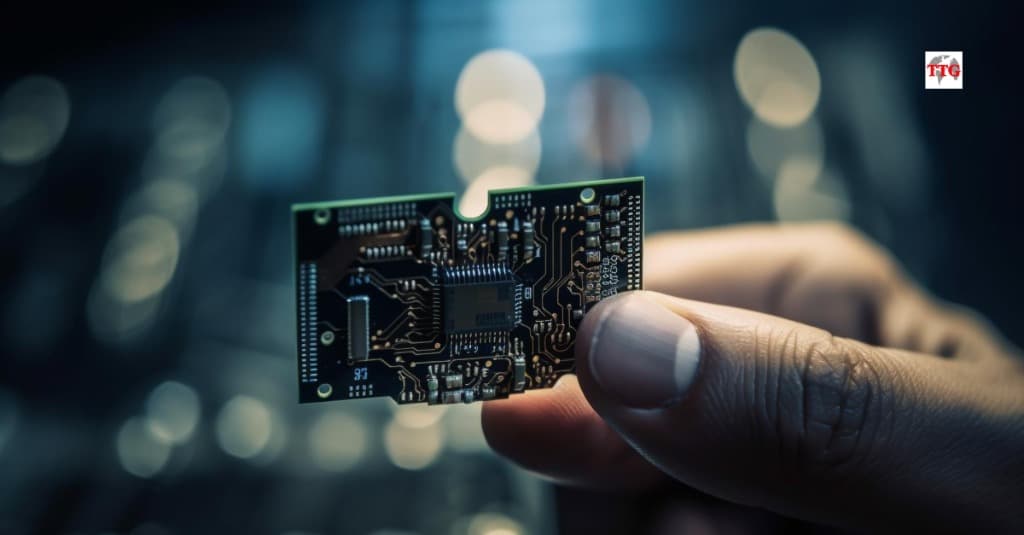
In August 2022, the United States passed the CHIPS and Science Act - committing $52.7 billion to rebuild domestic semiconductor manufacturing capability that had been allowed to atrophy over three decades of globalisation.
The motivation was not economic efficiency. It was national security. The COVID-19 pandemic had exposed the catastrophic vulnerability of a world in which the vast majority of advanced semiconductor production was concentrated in Taiwan - a geopolitical flashpoint 100 miles from mainland China.
Three years later, the results are beginning to materialise. And the story is more complicated than either optimists or sceptics predicted.
What Is Being Built
TSMC's Arizona facility - the most high-profile recipient of CHIPS Act support - is now producing chips at the N4 process node, with N2 capacity under construction. Intel is building fabrication plants in Ohio that represent the largest private investment in US manufacturing history. Samsung has broken ground in Texas. Micron is investing $100 billion over the next decade in memory chip production in New York and Idaho.
These are real facilities, producing real chips, employing real workers. By 2027, the US will have meaningful domestic production of advanced semiconductors for the first time in a generation.
The Challenges Are Also Real
Scale is one problem. TSMC's most advanced production remains in Taiwan. The Arizona facility, while significant, produces chips that are one to two generations behind Taiwan's cutting edge. Replicating TSMC's full manufacturing ecosystem - the supplier networks, the talent pipelines, the institutional knowledge built over decades - cannot be done in five years.
Cost is another. US-manufactured chips cost significantly more to produce than their Asian equivalents - estimates range from 30% to 50% more expensive - due to higher labour costs, more stringent environmental regulations, and the absence of the dense supplier ecosystems that exist in Taiwan, South Korea, and Japan.
Talent is the constraint that worries experts most. The US simply does not have enough semiconductor engineers, technicians, and manufacturing specialists to staff the facilities being built. Immigration policy, university programme expansion, and vocational training are all being mobilised - but the timelines are long.
The Geopolitical Stakes
The CHIPS Act is ultimately a hedge. It will not eliminate US dependence on Taiwan for the most advanced chips. But it will provide a meaningful domestic production base if geopolitical disruption ever cuts off Asian supply - and it sends a clear signal to allies and adversaries alike that the United States considers semiconductor sovereignty a strategic priority.
Whether the investment delivers its strategic objectives depends not just on policy, but on whether American companies, universities, and workers can execute against an extraordinarily demanding industrial challenge. The early signs are cautiously encouraging. The outcome remains far from certain.