Supply Chain & Logistics in 2026:
How Resilience, Visibility, and Intelligent Networks Are Redefining Global Trade
Supply chains were once designed for efficiency above all else. Low cost, just-in-time delivery, and global sourcing defined success. However, by 2026, the priorities of supply chain and logistics have fundamentally shifted. In a world shaped by geopolitical uncertainty, climate disruption, technological acceleration, and evolving consumer expectations, resilience and intelligence have become just as critical as speed and cost.
Today’s supply chains are no longer invisible back-end functions. They are strategic assets—central to customer experience, risk management, and long-term business continuity. Organizations that invest in agile, transparent, and technology-enabled supply chains are redefining how goods move across the world.
The New Reality of Global Supply Chains
Recent years exposed the fragility of traditional supply chain models. Disruptions caused by pandemics, geopolitical tensions, labor shortages, and extreme weather events revealed the risks of over-optimization and limited visibility.
As a result, supply chain strategies in 2026 focus on:
- Resilience over pure efficiency
- Visibility across end-to-end networks
- Diversification of suppliers and routes
- Faster response to disruption
Supply chains are evolving from linear pipelines into adaptive, interconnected ecosystems.
Digital Transformation and End-to-End Visibility
Digital transformation has become the cornerstone of modern supply chain and logistics operations. Organizations are leveraging technology to gain real-time insights across sourcing, manufacturing, warehousing, and distribution.
Key digital enablers include:
- Cloud-based supply chain management platforms
- IoT sensors for shipment tracking and condition monitoring
- Advanced analytics for demand forecasting
- AI-powered control towers for real-time decision-making
End-to-end visibility allows organizations to identify bottlenecks early, mitigate risk, and maintain service continuity.
AI, Automation, and Intelligent Logistics
Artificial intelligence and automation are reshaping logistics operations from warehouses to last-mile delivery. These technologies enable faster processing, higher accuracy, and better resource utilization.
Applications include:
- AI-driven demand planning and inventory optimization
- Automated warehouses with robotics and smart picking systems
- Route optimization using real-time traffic and weather data
- Predictive maintenance for transportation assets
Intelligent logistics networks are reducing costs while improving speed, reliability, and customer satisfaction.
Case Study: Building a Resilient Supply Chain Through Technology
A global consumer goods company provides a strong example of supply chain reinvention. Facing recurring disruptions and inventory imbalances, the organization implemented a digital supply chain transformation.
The initiative focused on:
- Deploying a centralized digital control tower
- Integrating supplier and logistics partner data
- Using AI to predict demand fluctuations
The results included:
- Improved inventory availability and reduced stockouts
- Faster response to regional disruptions
- Enhanced collaboration with suppliers and distributors
This case illustrates how technology can transform supply chains from reactive to predictive systems.
Warehousing and Distribution: From Storage to Fulfillment Hubs
Warehouses have evolved from static storage facilities into dynamic fulfillment centers. The rise of e-commerce and omnichannel retail has driven the need for faster, more flexible distribution models.
Modern warehouses emphasize:
- Automation and robotics
- Real-time inventory tracking
- Flexible layouts for multi-channel fulfillment
- Integration with transportation and last-mile delivery systems
Efficient warehousing is now a key differentiator in supply chain performance.
Last-Mile Delivery and Customer Expectations
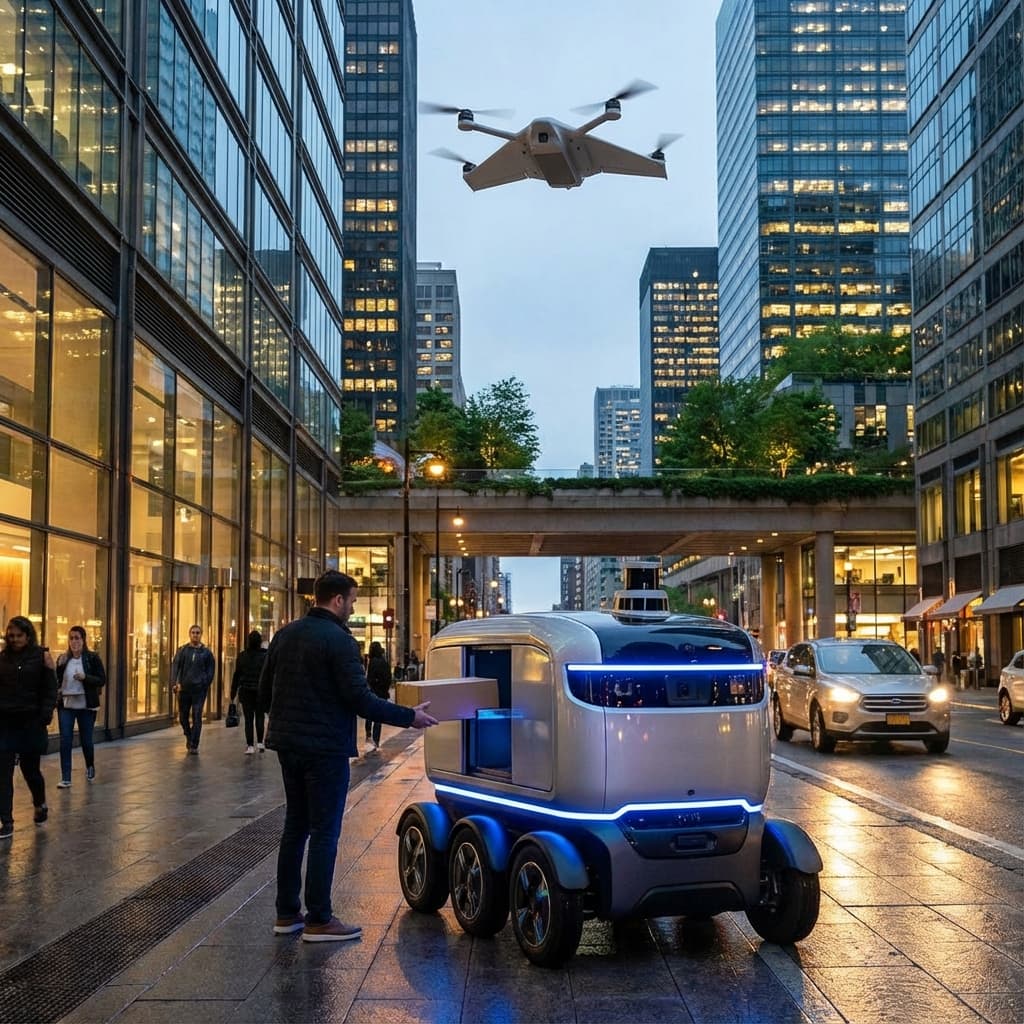
The last mile is often the most complex and costly segment of the supply chain. Customers expect faster, more transparent, and more reliable delivery than ever before.
Logistics providers are innovating through:
- Dynamic route optimization
- Micro-fulfillment centers
- Electric and alternative-fuel delivery vehicles
- Real-time delivery tracking and communication
Meeting last-mile expectations requires coordination, technology, and customer-centric design.
Sustainability in Supply Chain & Logistics
Sustainability has become a strategic priority in supply chain and logistics. Transportation emissions, packaging waste, and resource consumption are under increasing scrutiny from regulators and consumers.
Sustainable logistics initiatives include:
- Route optimization to reduce fuel consumption
- Transition to electric and low-emission fleets
- Sustainable packaging and reverse logistics
- Supplier sustainability assessments
Green supply chains not only reduce environmental impact but also improve efficiency and brand trust.
Risk Management and Supply Chain Resilience
Risk is now a permanent feature of global supply chains. Organizations must prepare for disruptions rather than simply react to them.
Resilient supply chains focus on:
- Multi-sourcing and nearshoring strategies
- Scenario planning and stress testing
- Real-time risk monitoring
- Strong supplier collaboration and communication
Resilience is built through foresight, flexibility, and strategic redundancy.
Data Security and Trust in Digital Supply Chains
As supply chains become more digital, data security and trust have emerged as critical concerns. Sensitive commercial information flows across multiple systems and partners.
Supply chain leaders are investing in:
- Secure data-sharing platforms
- Blockchain for traceability and transparency
- Strong governance and access controls
- Compliance with global data protection standards
Trust is essential for collaboration across complex supply chain ecosystems.
The Role of Leadership in Supply Chain Transformation
Technology alone cannot transform supply chains. Leadership and organizational alignment are equally important. Successful supply chain leaders bridge strategy, operations, and technology.
Effective leaders focus on:
- Aligning supply chain strategy with business goals
- Investing in talent and digital skills
- Fostering collaboration across functions and partners
- Balancing cost, service, and risk
Leadership clarity ensures that transformation delivers sustainable value.
The Future of Supply Chain & Logistics: Agile, Intelligent, and Sustainable
Looking ahead, supply chains will become more autonomous, connected, and intelligent. Real-time data, AI-driven decision-making, and collaborative ecosystems will define the next era.
Future-ready supply chains will:
- Anticipate disruption rather than react to it
- Integrate sustainability into core operations
- Leverage digital twins and predictive analytics
- Deliver speed, transparency, and resilience at scale
Supply chain and logistics in 2026 are no longer operational afterthoughts—they are strategic drivers of competitive advantage.
Conclusion
Supply chain and logistics have entered a new era defined by uncertainty, complexity, and opportunity. Organizations that invest in digital transformation, resilience, and sustainability are better positioned to navigate disruption and meet rising customer expectations.
In a connected global economy, the strength of a business is increasingly determined by the strength of its supply chain. Those who lead with intelligence, agility, and purpose will shape the future of global trade.