Entertainment in 2026:
How Technology, Storytelling, and Digital Experiences Are Redefining the Global Creative Economy
The entertainment industry has always evolved alongside technology and culture, but by 2026, the pace and depth of change are unprecedented. What was once driven by traditional media formats and linear consumption has transformed into a dynamic, immersive, and highly personalized ecosystem. Entertainment today is no longer confined to screens or stages, it lives across platforms, devices, and digital communities worldwide.
From streaming platforms and gaming ecosystems to virtual experiences, creator economies, and AI-driven content, the entertainment industry is redefining how stories are created, distributed, and experienced. At its core, entertainment remains about human connection, but the ways audiences engage with content have fundamentally changed.
The Shift from Passive Consumption to Active Engagement
More Read

Modern audiences are no longer passive viewers. They are participants, creators, and collaborators in the entertainment experience. Social media, interactive platforms, and digital communities have blurred the line between content producers and consumers.
Key shifts shaping audience behavior include:
- On-demand and binge-based consumption
- Interactive and immersive content formats
- Community-driven fandoms and creator engagement
- Multi-platform storytelling across video, gaming, and social media
Entertainment in 2026 is defined by engagement, not just viewership.
More Read

Streaming Platforms and the Content Revolution
Streaming has become the dominant mode of content distribution across film, television, music, and live events. Global platforms compete not only on volume, but on originality, quality, and personalization.
Streaming-driven transformation includes:
- Data-driven content commissioning
- Global distribution of local stories
- Short-form and long-form content coexistence
- Direct audience insights shaping creative decisions
The streaming era has democratized access to global audiences while intensifying competition for attention.
Technology as a Creative Enabler
Technology is no longer just supporting entertainment, it is shaping creativity itself. Artificial intelligence, advanced graphics, and real-time rendering are opening new possibilities for storytellers and creators.

Key technologies influencing entertainment include:
- AI-assisted scriptwriting, editing, and music composition
- Virtual production and real-time visual effects
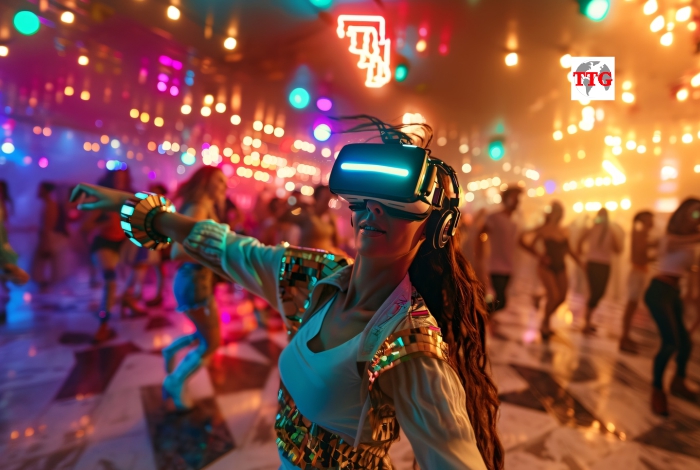
- Augmented and virtual reality experiences
- Cloud-based collaboration for global creative teams
These tools empower creators to experiment, innovate, and scale creativity like never before.
Gaming and Interactive Entertainment
Gaming has emerged as one of the most influential segments of the entertainment industry. Beyond play, gaming platforms function as social networks, content hubs, and virtual economies.
Trends driving gaming growth include:
- Cross-platform and cloud gaming
- Esports and competitive entertainment
- In-game economies and virtual assets
- Story-driven and cinematic gaming experiences
Gaming in 2026 is not a niche, it is a mainstream cultural force shaping entertainment norms.
Case Study: Digital Transformation in Entertainment Production
A global content studio provides a strong example of entertainment transformation. Facing rising production costs and fragmented audiences, the studio adopted a technology-first approach.
The transformation included:
- Virtual production environments to reduce filming costs
- AI-driven audience analytics for content planning
- Multi-platform release strategies across streaming and social media
The results:
- Faster production cycles
- Higher audience engagement across regions
- Improved return on creative investment
This case demonstrates how technology can enhance both creativity and commercial performance.
The Creator Economy and Direct-to-Audience Models
One of the most significant shifts in entertainment is the rise of the creator economy. Independent creators now build global audiences through platforms that enable direct monetization and engagement.
Creator-led entertainment thrives on:
- Authentic storytelling and personal branding
- Community-driven content
- Subscription, sponsorship, and micro-monetization models
- Platform-agnostic audience relationships
This shift is redefining traditional talent pipelines and business models within entertainment.
Live Entertainment and Experiential Media
Live entertainment is experiencing a renaissance through technology-enabled experiences. Concerts, festivals, sports, and theater are integrating digital layers to enhance engagement.
Innovations include:
- Hybrid live and virtual events
- Immersive stage design and interactive visuals
- Digital ticketing and fan engagement platforms
- Personalized experiences powered by data
Live entertainment in 2026 is more inclusive, accessible, and immersive than ever before.
Intellectual Property, Rights, and Digital Ownership
As content circulates across digital platforms, managing intellectual property and rights has become increasingly complex. Entertainment organizations must navigate licensing, distribution, and digital ownership challenges.
Emerging solutions include:
- Blockchain-based rights management
- Transparent royalty tracking
- Secure digital asset management
- Global content governance frameworks
Protecting creative value is critical in an era of rapid content sharing and replication.
Diversity, Inclusion, and Cultural Representation
Entertainment plays a powerful role in shaping societal narratives. Audiences increasingly expect authentic representation and diverse voices across content formats.
Industry priorities include:
- Inclusive storytelling and casting
- Representation across cultures and identities
- Empowering underrepresented creators
- Ethical content practices
Diversity is not just a moral imperative, it enhances creativity and broadens audience appeal.
The Business of Entertainment: Data, Strategy, and Scale
Behind creativity lies a complex business ecosystem. Entertainment organizations are leveraging data and analytics to balance creative risk with commercial viability.
Strategic focus areas include:
- Audience segmentation and behavior analysis
- Monetization optimization across platforms
- Strategic partnerships and content licensing
- Long-term brand and franchise development
Data-driven strategy enables sustainable growth in a competitive environment.
The Future of Entertainment: Immersive, Personalized, and Boundaryless
Looking ahead, entertainment will continue to blur boundaries, between physical and digital, creator and consumer, local and global.
Future-ready entertainment ecosystems will:
- Deliver immersive, interactive experiences
- Leverage AI for personalization and discovery
- Empower creators and communities
- Expand storytelling beyond traditional formats
Entertainment in 2026 is not just an industry, it is a global cultural ecosystem powered by creativity and technology.
Conclusion
The entertainment industry is undergoing a fundamental reinvention. Technology, audience behavior, and creative expression are converging to reshape how stories are told and experienced.
Organizations and creators that embrace innovation, authenticity, and inclusivity will define the next era of entertainment. As platforms evolve and audiences demand deeper engagement, the future of entertainment belongs to those who can blend creativity with strategy, and imagination with execution.