Manufacturing in 2026:
How Smart Factories, Digital Twins, and Resilient Operations Are Shaping the Next Industrial Era
The manufacturing industry is undergoing a powerful transformation, one that goes far beyond automation and cost efficiency. By 2026, manufacturing has become a digitally intelligent, data-driven, and highly interconnected ecosystem. The traditional factory floor is evolving into a smart, adaptive environment where technology, talent, and strategy converge to drive resilience and long-term competitiveness.
As global supply chains face volatility, customer expectations rise, and sustainability pressures intensify, manufacturers are rethinking how they design, produce, and deliver value. Those that embrace digital innovation and operational excellence are redefining what it means to be an industrial leader in the modern era.
The Shift from Traditional Manufacturing to Smart Operations
More Read

For decades, manufacturing focused on scale, efficiency, and standardization. While these fundamentals remain important, they are no longer sufficient. Today’s manufacturers must be agile, responsive, and insight-driven.
Smart manufacturing integrates advanced technologies such as:
- Industrial Internet of Things (IIoT)
- Artificial intelligence and machine learning
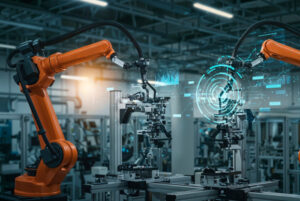
- Robotics and automation
- Advanced analytics and cloud platforms
These technologies enable real-time visibility, predictive decision-making, and continuous improvement across operations.
More Read

Digital Twins and the Rise of Intelligent Factories
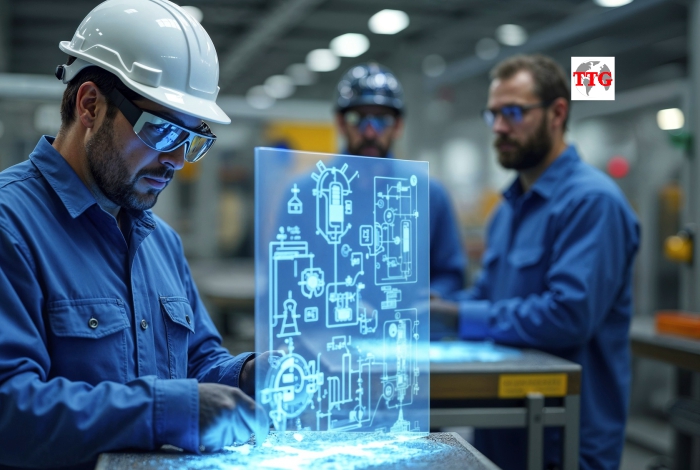
One of the most transformative innovations in manufacturing is the adoption of digital twins, virtual replicas of physical assets, processes, or systems.
Digital twins allow manufacturers to:
- Simulate production scenarios and optimize workflows
- Predict equipment failures before they occur
- Improve product design and quality outcomes
- Reduce downtime and operational risk
By bridging the physical and digital worlds, digital twins are helping organizations shift from reactive maintenance to predictive and prescriptive operations.
Automation, Robotics, and Human Collaboration
Automation continues to play a critical role in modern manufacturing, but the narrative has evolved. Rather than replacing human workers, advanced automation is enhancing human capabilities.

Collaborative robots (cobots) and AI-powered systems support:
- Precision and consistency in production
- Improved workplace safety
- Faster cycle times and higher throughput
- Upskilling of the workforce
The factories of 2026 are not fully automated, they are human-centered, technology-enabled environments.
Case Study: Building Resilience Through Digital Transformation
A global industrial manufacturer faced significant disruptions due to supply chain volatility and rising operational costs. To address these challenges, the company launched a comprehensive digital transformation initiative.
Key elements included:
- Implementing IIoT sensors across production lines
- Deploying AI-based predictive maintenance systems
- Introducing digital twins for critical manufacturing assets
Within two years, the company achieved:
- Reduced unplanned downtime and maintenance costs
- Improved production efficiency and quality consistency
- Enhanced decision-making through real-time insights
This case underscores how digital maturity can strengthen resilience and performance in complex manufacturing environments.
Supply Chain Integration and Operational Visibility
Manufacturing does not operate in isolation. The ability to integrate production with supply chain operations is critical for maintaining continuity and responsiveness.
Manufacturers are prioritizing:
End-to-end supply chain visibility
Real-time inventory and demand tracking
Advanced planning and scheduling systems
Closer collaboration with suppliers and logistics partners
Integrated systems enable manufacturers to respond quickly to disruptions and align production with market demand.
Sustainability and Responsible Manufacturing
Sustainability has become a strategic imperative in manufacturing. Environmental regulations, investor expectations, and customer preferences are pushing organizations to reduce their environmental footprint.
Sustainable manufacturing initiatives include:
- Energy-efficient production processes
- Waste reduction and recycling programs
- Sustainable sourcing of raw materials
- Adoption of circular manufacturing models
Responsible manufacturing not only mitigates risk, it enhances brand reputation and long-term viability.
Data, Cybersecurity, and Industrial Risk Management
As factories become more connected, cybersecurity has emerged as a critical concern. Industrial control systems and connected devices are increasingly targeted by cyber threats.
Manufacturers are investing in:
- Secure industrial networks and access controls
- Continuous monitoring and threat detection
- Strong data governance and compliance frameworks
- Workforce awareness and cyber resilience training
Protecting digital infrastructure is essential to safeguarding operational continuity and intellectual property.
Workforce Transformation and Skills Development
Technology alone cannot drive manufacturing transformation. The workforce plays a pivotal role in realizing the full potential of digital investments.
Manufacturers are focusing on:
- Upskilling employees in digital and analytical competencies
- Cross-functional collaboration between IT and operations
- Attracting new talent with technology-driven roles
- Fostering a culture of continuous improvement
A skilled, engaged workforce is the foundation of sustainable industrial transformation.
Leadership in the New Manufacturing Era
Manufacturing leaders in 2026 must navigate complexity, uncertainty, and rapid technological change. Effective leadership balances strategic vision with execution discipline.
Successful leaders:
- Align digital initiatives with business outcomes
- Champion innovation while managing risk
- Invest in people and culture
- Drive long-term value rather than short-term gains
Leadership clarity ensures that transformation efforts deliver measurable impact.
The Future of Manufacturing: Adaptive, Connected, and Intelligent
Looking ahead, the future of manufacturing will be defined by adaptability and intelligence. Factories will become more autonomous, supply chains more transparent, and decision-making more data-driven.
Future-ready manufacturers will:
- Embrace digital twins and advanced analytics
- Integrate sustainability into core operations
- Build resilient, connected ecosystems
- Leverage technology to empower people
Manufacturing in 2026 is not just about producing goods, it is about building systems that can evolve and thrive in a dynamic world.
Conclusion
The manufacturing industry is entering a new era marked by digital intelligence, resilience, and purpose. As technology reshapes production and supply chains, manufacturers have an unprecedented opportunity to redefine efficiency, quality, and sustainability.
Organizations that embrace smart manufacturing, invest in talent, and lead with vision will shape the future of industrial excellence. In a world of constant change, manufacturing success belongs to those who can adapt, innovate, and execute with precision.